Goal Football SVG Cut File: An Embroidery Review
As a designer who spends more time behind an embroidery machine than a computer screen, I approach every new digital asset with a healthy dose of skepticism. When evaluating the Goal, Football SVG Cut File for potential use in client projects and shop inventory, my primary concern is always translation. A graphic that looks crisp on a monitor can easily become a dense, thread-eating nightmare once converted into stitches. After testing this design across multiple substrates and analyzing its vector structure, I have developed a clear perspective on where this artwork shines and where it requires careful handling for successful embroidery outcomes.
First Impressions and Vector Integrity
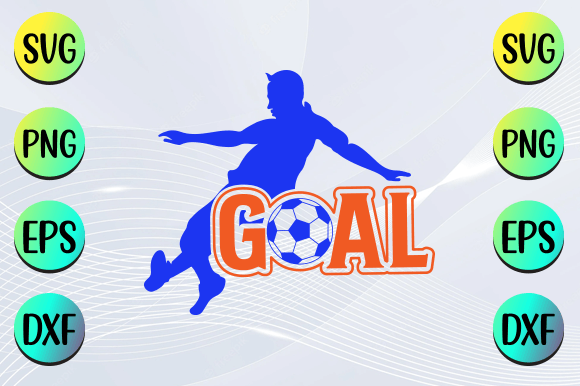
Opening the ZIP folder reveals a comprehensive suite of files, including SVG, DXF, EPS, and a high-resolution 300 DPI PNG. For those of us in the Crafts and Graphics space, having the EPS and SVG vectors is non-negotiable. These formats allow us to manipulate nodes before digitizing, ensuring we aren't fighting against pixelation or jagged edges. The Goal, Football SVG Cut File presents a clean, bold aesthetic that immediately suggests versatility. The lines are confident rather than overly intricate, which is a massive relief for embroidery digitizers. Intricate details often get lost in thread tension issues, but this design possesses a visual weight that translates beautifully to satin stitch borders and fill stitch interiors. The mood is energetic yet structured, making it feel appropriate for both competitive team gear and casual fan apparel.
Real-World Application: The Custom Sweatshirt Test
To truly judge the viability of this machine embroidery design, I moved beyond theoretical analysis and applied it to a real-life scenario: creating a custom embroidered sweatshirt for a local youth football fundraiser. Sweatshirts are notoriously tricky due to the fleece texture and stretch, but they remain a staple for any Etsy seller or small shop product line. Using the Goal, Football SVG Cut File as my base, I adjusted the stitch density to accommodate the heavy fabric. The result was a professional finish that didn't pucker or distort the garment's drape.
The design’s layout worked exceptionally well centered on the chest. Because the vector points were logical, the digitizing software recognized the shapes accurately, minimizing unnecessary jumps and trims. This efficiency is crucial for commercial embroidery where time equals money. Customers reacted positively to the clarity of the goal post and ball elements; even from a distance, the motif remained recognizable. This level of legibility is what separates a high-value handmade product from a hobbyist attempt. For creative entrepreneurs looking to expand their holiday embroidery or seasonal sports offerings, this graphic provides a solid foundation that doesn't require hours of redrawing.
Navigating Fabric Limitations and Hoop Sizes
While the Goal, Football SVG Cut File is robust, it demands respect regarding substrate selection. During my review process, I tested the design on three distinct fabrics: cotton twill, performance polyester, and a lightweight jersey knit. On the twill and polyester, the design performed flawlessly with standard tear-away stabilizer. However, the lightweight jersey required significant modification. The sheer density of the football laces and goal netting caused tunneling on the thin fabric, despite using cut-away stabilizer and spray adhesive.
If you plan to use this for baby embroidery or delicate tote bag designs, you must simplify the internal details. Consider converting complex fill areas into running stitch outlines or applique design elements to reduce stitch count and prevent fabric distortion. Additionally, be mindful of hoop size constraints. While the vector scales infinitely, the physical reality of embroidery hoops dictates usability. Scaling this design down for a cap or pocket logo requires checking that the smallest text or detail remains above 1mm in height. Anything smaller risks becoming illegible or causing needle breaks. Always verify your specific machine’s capabilities and the design’s minimum viable dimensions before committing to a production run.
Commercial Viability and Brand Consistency
For Etsy sellers and boutique owners, consistency builds trust. The Goal, Football SVG Cut File offers enough stylistic neutrality to blend with various brand identities while retaining its thematic impact. I found it particularly effective when paired with varsity-style typography for personalized gifts. The high-resolution PNG included in the package is also a valuable asset for creating printable mockups. Before stitching a single test swatch, I used the transparent PNG to overlay the design onto digital garment templates. This allowed me to approve colorways and placement with the client digitally, saving thread and time.
However, a critical note for digital product sellers and craft business owners: always confirm licensing. While the file package describes it as a wonderful gift for all life situations, you must verify whether your purchase includes commercial rights for selling finished products versus just personal use. Nothing damages buyer engagement or professional reputation faster than copyright infringement. Assuming the license permits, this design serves as an excellent anchor for seasonal collections, offering a recognizable symbol that resonates with players, parents, and fans alike.
Essential Designer Notes for Success
Based on my hands-on evaluation, here are practical recommendations for integrating this embroidery file into your workflow:
- Test Stitching is Mandatory: Never run this design on a final garment without a test sew-out. Fabric texture varies wildly between brands, and what works on one sweatshirt may fail on another.
- Evaluate Thread Colors Early: The design relies on contrast for definition. Test black and white mockups to ensure the goal structure reads clearly against both light and dark backgrounds. You may need to add a contrasting outline stitch for visibility on dark fabrics.
- Check Stabilizer Pairings: For stable fabrics like canvas or denim, tear-away is sufficient. For knits, fleece, or performance wear, use a quality cut-away stabilizer to support the stitch density and prevent puckering over time.
- Simplify for Small Formats: If adapting this for patches or sleeve cuffs, manually remove interior details. Rely on the silhouette and primary shapes to maintain clarity at reduced sizes.
- Verify Licensing Terms: Before listing any finished product or digital derivative for sale, review the specific license agreement provided with the download to ensure compliance.
- Inspect Node Count: Before importing into digitizing software, open the SVG in a vector editor to smooth out any unnecessary anchor points. Cleaner vectors equal smoother stitch paths and fewer machine errors.
Final Verdict on Practical Utility
The Goal, Football SVG Cut File earns its place in a professional embroiderer’s library not because it is flashy, but because it is functional. It strikes a balance between detail and stitchability that many sports graphics miss. Whether you are producing custom apparel for a team, creating personalized gifts for the holidays, or stocking your shop with seasonal merchandise, this design offers a reliable starting point. Its success ultimately depends on your willingness to adapt it to the physical realities of thread and fabric. Treat it as a blueprint rather than a finished instruction, apply proper stabilization techniques, and respect the limitations of your materials. When executed with these considerations in mind, it delivers the kind of polished, professional result that keeps customers returning for more handmade quality.