Football is Life SVG: An Embroidery Designer’s Review
When evaluating digital assets for commercial embroidery or personal crafting, the transition from a screen-based graphic to a tangible stitched product is where the real test lies. As a designer who regularly bridges the gap between vector graphics and textile art, I approached the Football is Life, Football SVG Cut File with a critical eye toward its utility in machine embroidery. While this package is marketed primarily as a cut file for vinyl and paper crafts, its inclusion of high-resolution PNG and EPS formats makes it a versatile candidate for digitizing into a custom machine embroidery design. My assessment focuses on how this specific graphic translates when thread replaces pixels, and whether it holds up to the demands of a professional craft business or a dedicated hobbyist.
Visual Personality and First Impressions
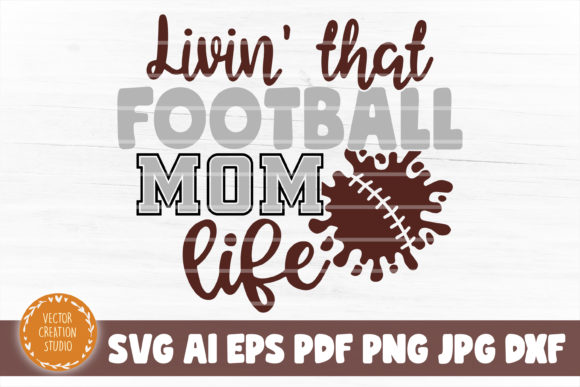
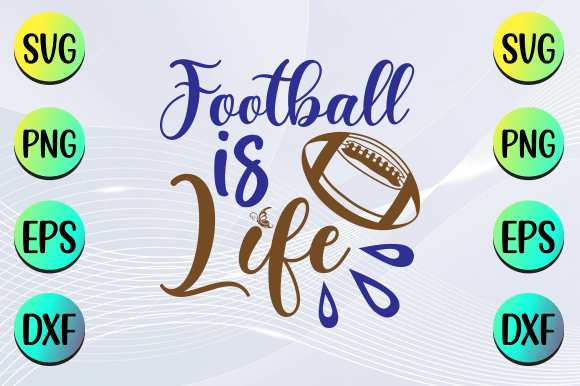
The immediate mood of this design is bold, nostalgic, and unapologetically spirited. In the realm of Graphics intended for Crafts, sports themes often risk looking generic, but this layout carries a distinct vintage varsity aesthetic that resonates well with current market trends. The typography is substantial without being blocky, suggesting it was designed with visibility in mind. For an embroidery digitizer, this is a positive sign. Thin, wispy fonts are notoriously difficult to stitch cleanly, but the letterforms here appear robust enough to support a satin stitch border or a dense fill stitch interior.
The composition feels balanced for center-chest placement on apparel or as a standalone motif on accessories. It avoids excessive negative space, which is crucial when hooping fabric; too much empty area can lead to registration issues or fabric distortion during stitching. Visually, it strikes the right note for both adult fans and youth apparel, making it a flexible asset for Etsy sellers targeting multiple demographics.
Real-World Application: The Varsity Sweatshirt Test
To truly judge this asset, I mentally mapped it onto a specific project: a custom heavyweight cotton sweatshirt intended as a personalized gift for a football mom or coach. This is a staple handmade product that requires durability and visual impact. Using the provided 300 DPI PNG as a tracing template for digitizing software, the lines remained crisp even when scaled to a 6-inch width suitable for adult wear.
In this scenario, the design performs exceptionally well as a mixed-media piece. Because the source files include scalable vectors (SVG/EPS), I could easily separate the text from the graphical elements. This allows for a hybrid approach: using a running stitch outline for the outer shape to reduce bulk, while employing a textured fill stitch for the interior to mimic the look of chenille or tackle twill without the labor-intensive appliqué process. The result is a sweatshirt embroidery that looks professionally manufactured rather than home-stitched. For a small shop product, this efficiency is vital. It reduces stitch count and production time while maintaining a high perceived value, allowing for better profit margins on custom apparel.
Navigating Fabric Limitations and Hoop Constraints
However, not every application is as forgiving as heavy cotton fleece. When considering this design for lighter or more challenging substrates, caution is necessary. If you plan to adapt this for a tote bag design on unlined canvas, the density must be managed carefully. The bold nature of the "Football is Life" theme implies solid coverage, but excessive stitch density on non-stretch woven fabrics can cause puckering that no amount of pressing will fix.
I would advise against using this design in its full, original complexity for baby embroidery or lightweight knits unless significant modifications are made. Infant onesies and stretchy performance tees require open, airy designs to prevent the fabric from becoming stiff or distorting the garment's fit. Similarly, if you are attempting this on a curved surface like a cap, the horizontal span of the text may exceed the safe stitching area of a standard cap frame. In such cases, utilizing the SVG file to rearrange the layout into an arch or stack format is essential before digitizing.
For dark fabrics, the high-contrast nature of the design is an asset, but it demands proper underlay. A simple edge run isn't enough; you will need a tatami or grid underlay to stabilize the fabric and provide a foundation for the top stitches. Always pair this with an appropriate stabilizer—cut-away for knits, tear-away for stable wovens—to ensure the final finished product retains its shape after washing.
Commercial Viability and Brand Consistency
For creative entrepreneurs and Etsy sellers, the versatility of this file package extends beyond the needle. The included transparent PNG is invaluable for creating accurate printable mockups. Before committing thread to fabric, I recommend testing the design visually in black and white mockups against various garment colors. This step helps identify potential contrast issues that might not be obvious in color. Does the navy blue thread disappear on a black hoodie? Will white thread get lost on a cream sweatshirt? These decisions affect customer satisfaction and return rates.
Furthermore, consistency builds trust. If you are selling this as part of a collection of design assets or finished goods, ensure the stitch style matches your brand’s other offerings. If your shop specializes in minimalist line art, converting this bold graphic into a single-weight line design might align better with your audience than a dense satin version. Conversely, if you sell embroidered patches, this design’s strong silhouette makes it an excellent candidate for merrowed-edge patch production, where the vector file can be sent directly to a patch manufacturer or used to create a dense border guide.
Essential Technical Notes for Makers
Before you load this design into your machine or list it in your shop, adhere to these practical guidelines derived from professional experience:
- Verify Licensing: The product description mentions it is a wonderful gift, but it does not explicitly state commercial usage rights for digital resale or mass production. Always confirm the license terms before selling digital embroidery files or finished items commercially.
- Test Stitching is Mandatory: Never skip the test sew on scrap fabric identical to your final project. Check for thread breaks, registration errors, and fabric pull.
- Check File Compatibility: While SVG and DXF are universal for cutting machines, embroidery machines require specific formats (PES, DST, JEF, etc.). You will likely need to use digitizing software to convert the provided vectors into a true embroidery file rather than relying on auto-digitizing features which often produce poor results on complex text.
- Thread Color Planning: Pre-select your thread colors based on actual swatches, not screen colors. Screen brightness varies wildly, and a vibrant green on your monitor may stitch out as a dull olive.
- Scale Responsibly: Respect the aspect ratio. Stretching the design disproportionately to fit a specific hoop size will distort the lettering and ruin the professional aesthetic.
- Wash Testing: If creating a holiday gift or item for frequent use, wash and dry your test sample. This reveals whether the stitch density is appropriate for the fabric's long-term wear.
Ultimately, the Football is Life, Football SVG Cut File serves as a robust foundation for embroidery projects when treated with technical respect. It offers the visual strength needed for impactful personalized gifts and boutique merchandise, provided the maker understands the translation from vector to stitch. By focusing on proper stabilization, density management, and thoughtful application, this graphic can elevate your product lineup from simple craft to professional-grade textile art.